
The Elemenoe Blog
Navigating Autism Treatments: Understanding Evidence and Protecting Your Child
We recently heard from a parent who felt hopeful and anxious, and asked about treatments like LingoLeap, Joy Spring, and Zeolite supplements. It’s completely understandable to wonder if these products might help. Many of these treatments are marketed as ways to improve communication, behaviour, or social skills, but here’s the truth: these therapies have no solid scientific evidence to support their use for autism.

Where to Get Autism & Developmental Support in Halton Region: A Family’s Guide
Halton Region runs several different programs for children's development, and if you're not sure which one applies to your family, you're not alone. Even health and childcare professionals sometimes aren't sure where one program ends and another begins. So we sat down with Halton Region's Children's Developmental Services team to get it straight from the source, and we're passing that along here, in plain language, along with where a private option like Elemenoe fits in alongside the public system

Is My Child's Therapy Actually Working?
Most parents want more than reassurance, they want proof. Here's what early progress actually looks like, and exactly how our Burlington team tracks whether it's working.
Your Child Was Just Diagnosed with Autism. Here's Where to Start.
At elemenoe, that's the foundation of neuro-affirming care: building communication, connection, and self-advocacy skills while respecting a child's autonomy and the way they naturally engage with the world. The goal isn't to make a child look "normal." It's to help them thrive as themselves.

The One Question That Tells You If a Provider Is Actually Collaborative
True collaboration means your child is assessed by multiple professionals looking at the same behaviour at the same time, and the plan comes out of one conversation, not three separate ones stitched together afterward.
"I'm Bored" Is Usually About More Than Boredom
As a speech-language pathologist and a behaviour analyst who also happen to be moms, we hear this one from two angles at once, in our clinics and in our own kitchens. And the more we've sat with it, the more we've noticed the same thing over and over. "I'm bored" is rarely actually about boredom. It's a signal, and the message underneath changes depending on what's happening around it.
Here are four of the moments we hear about most from families this time of year, what might actually be going on, and what to try instead of another list of activity ideas nobody wants.
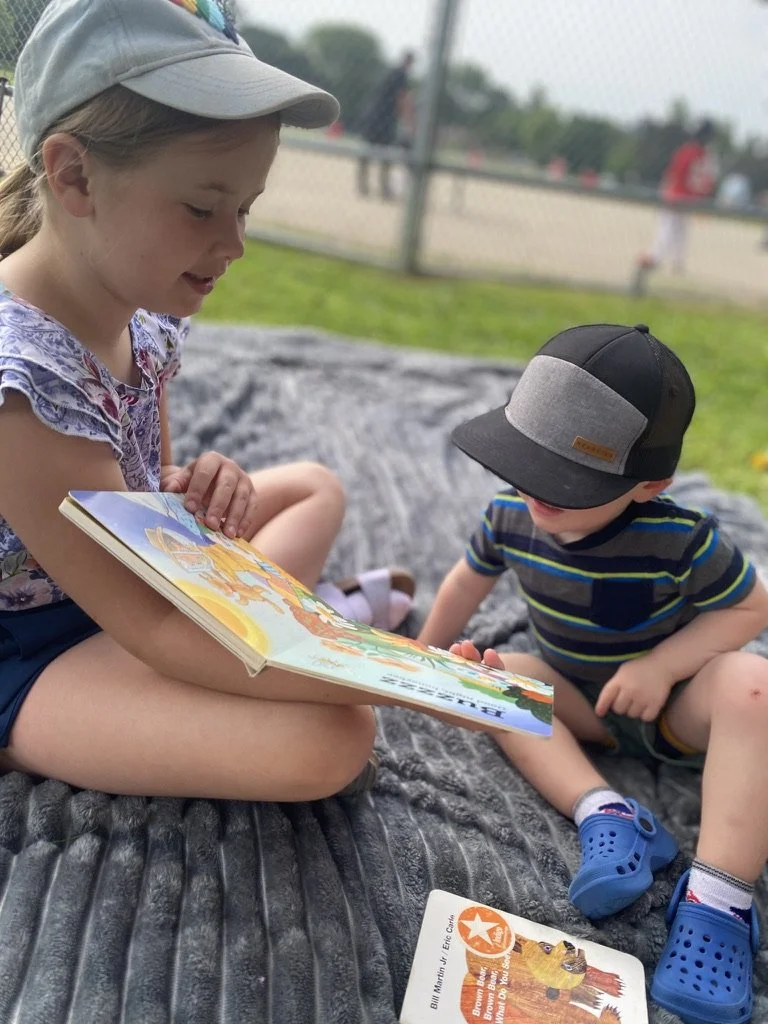
The Science of Reading: What Parents Should Know
A lot of these phonological awareness skills, rhyming, alliteration, noticing the sounds inside words, don't need a workbook at all. Some of our favourite practice happens in the car or on the living room floor.
We're big fans of Raffi in our house. Songs like "Down by the Bay" are full of silly, made up rhymes, and "I Like to Eat Apples and Bananas" is a great, playful way to hear alliteration in action. Kids don't even realize they're building a reading skill. They just think it's a fun song.
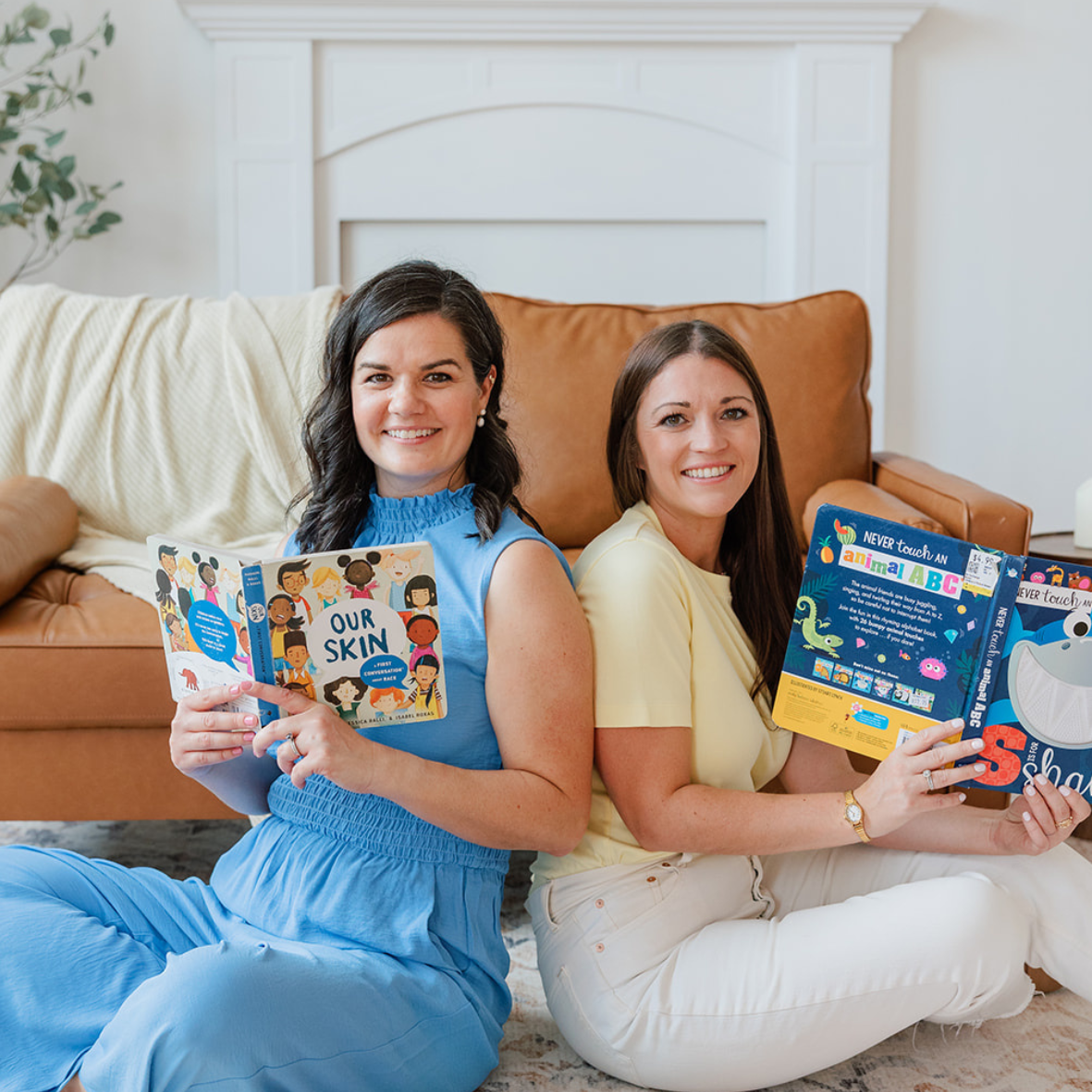
Navigating Autism Treatments: How to Sort Through the Noise
Autism is a neurodevelopmental difference. It is not something to be cured or eliminated. Many autistic people are clear on this: autism shapes how they think, communicate, experience the world, and connect with others. That's not a problem to solve. It's a person to understand.
The goal of good therapy isn't to make an autistic child look or act neurotypical. It's to help them communicate, regulate, connect, and participate in the world in ways that are meaningful to them, with support that respects who they are.
Keeping that as your starting point will help you evaluate almost everything else.
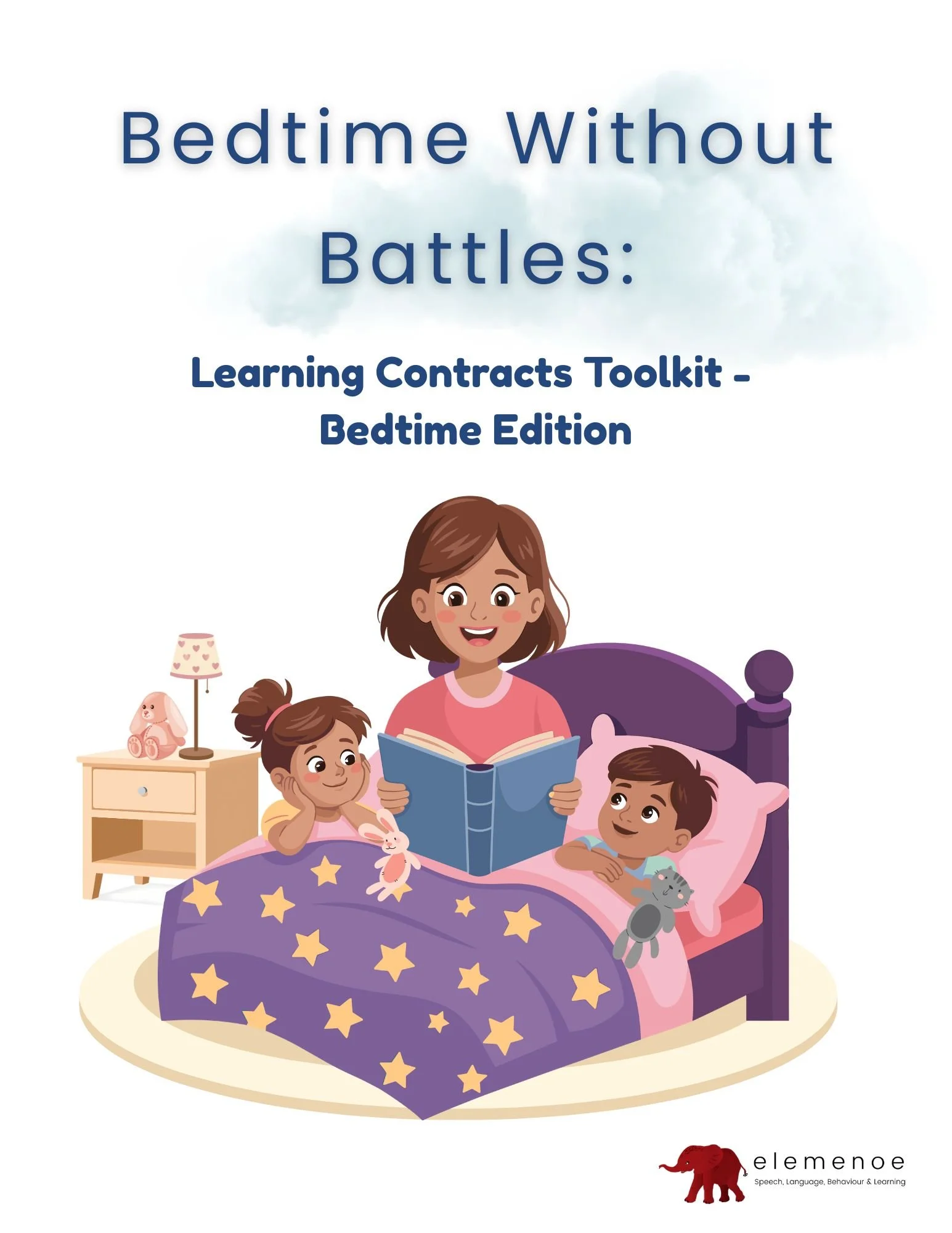
Bedtime Without Battles: Why We Created Our Learning Contacts Toolkit
For a lot of families, it’s not the routine that’s the problem…. it’s the transition. The timer goes off, the lights are about to go out, and suddenly your child’s body is in full protest mode. Tears. Yelling. Bargaining. Running out of the room. And you’re standing there thinking, Why is this so hard? We do this every single night.
We made this toolkit because we’ve been there too…. this toolkit actually started at home.
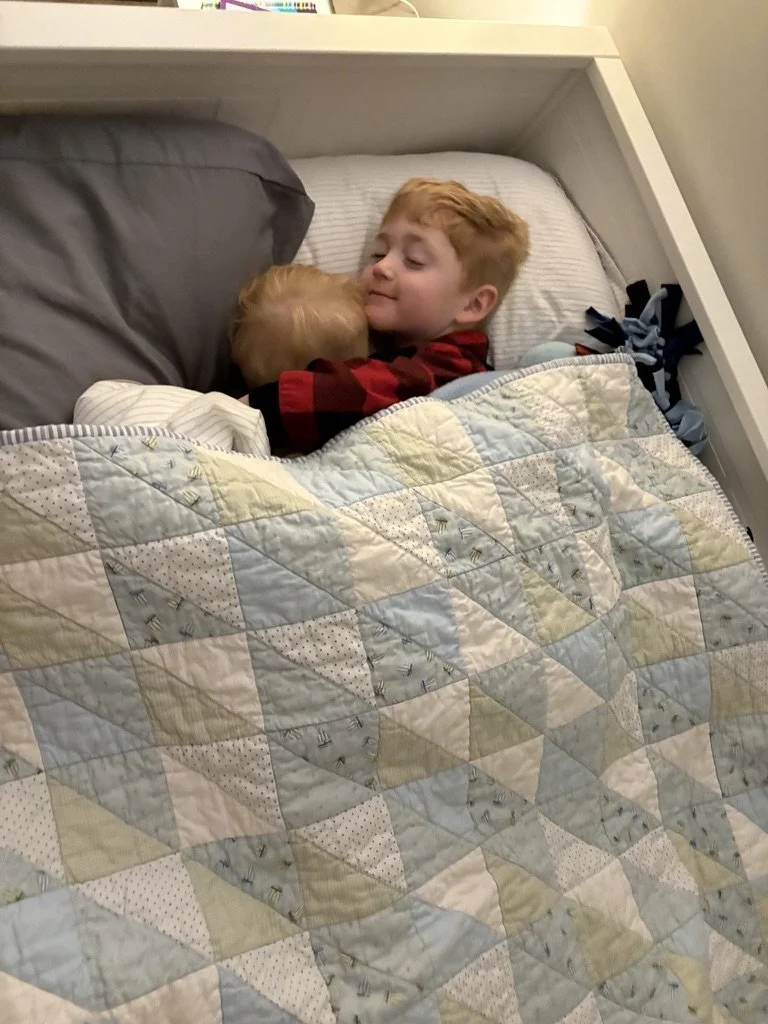
Sleep on their terms: Understanding Neurodivergent Sleep
For so many families, sleep is one of the first places things feel hard. It is also one of the first places parents feel judged. When I first became a parent, I remember being obsessed with sleep and feeling like there was no ‘right’ answer and so many questions - sleep train? co-sleep? nap schedule? I know I’m not alone.
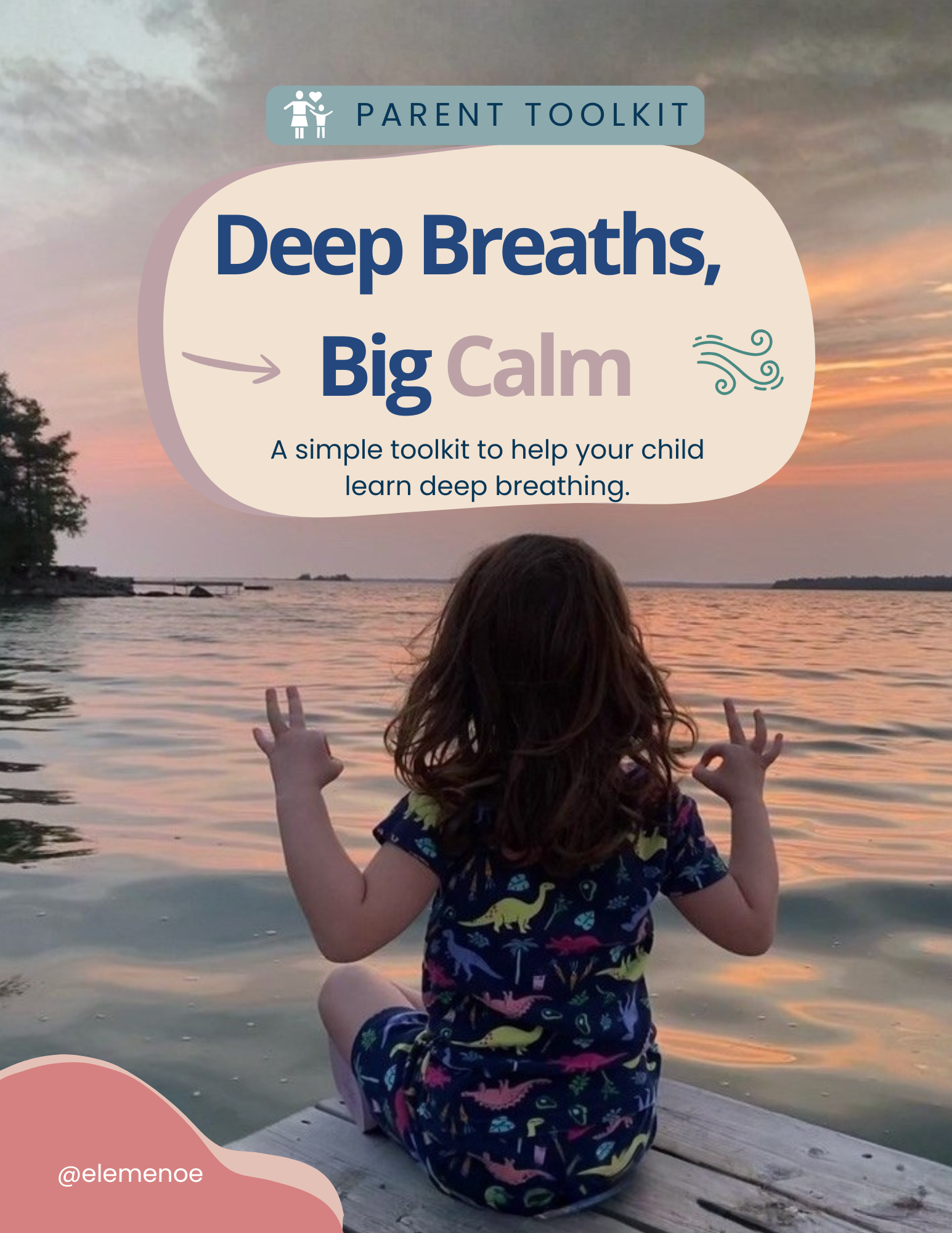
10 Playful Ways to Teach Deep Breathing That Kids Actually Want to Try
Deep breathing is one of the most powerful nervous system regulation tools we have. But for many children, especially neurodivergent kids, being told to “just breathe” can feel boring, confusing, or even frustrating. The good news is that breath work does not have to be dull to be effective. It can be playful, imaginative, and even silly!
Out & About With a Neurodivergent Kid: Why It’s So Hard (and What Actually Helps)
For a lot of neurodivergent kids, leaving the house isn’t just “going to the store.” It’s a full-body nervous system experience: noise, lights, crowds, waiting, transitions, surprises, strangers talking to you, rules that change depending on the place, and a million tiny demands stacked on top of each other.
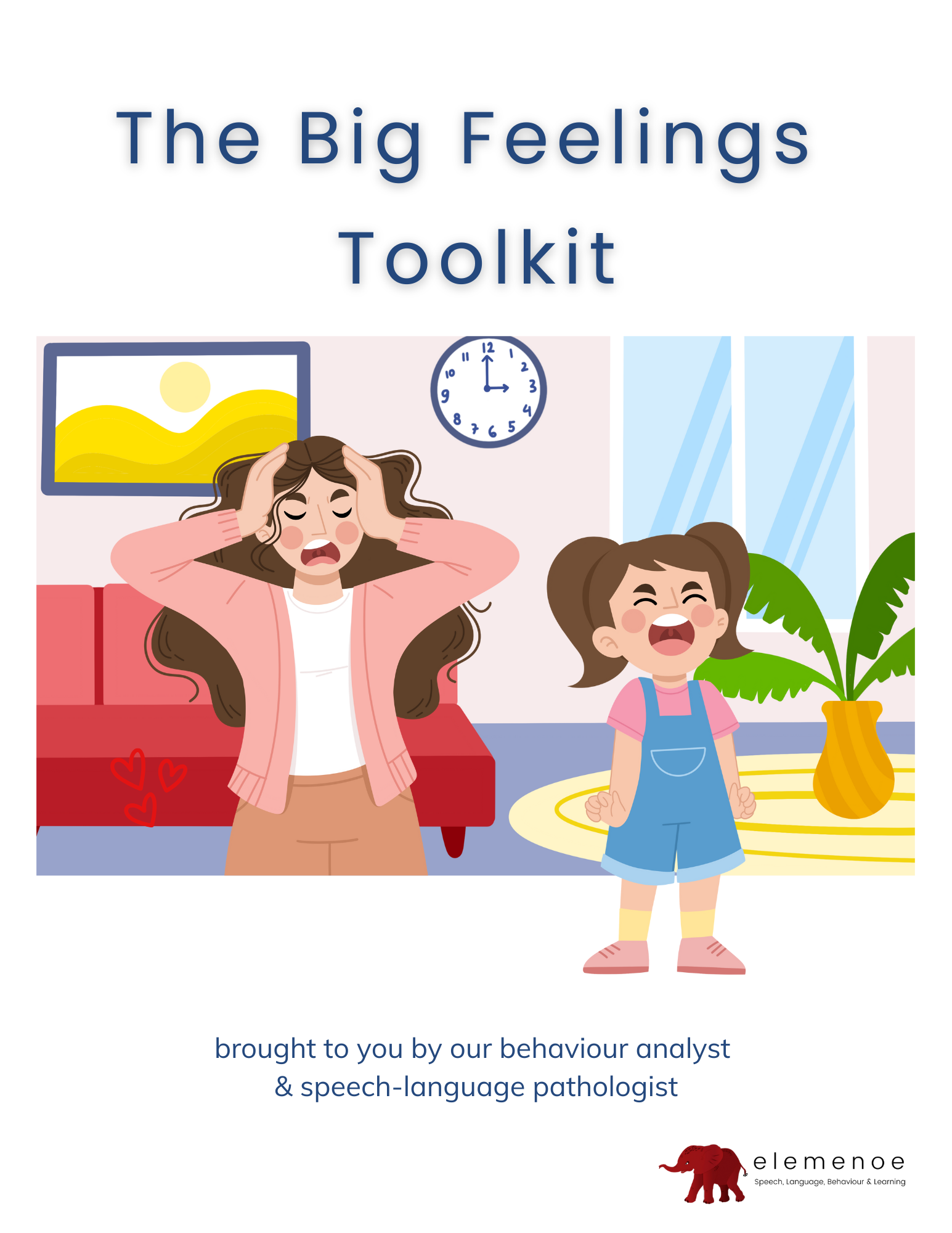
Handling Big Feelings: Supporting Emotional Regulation at Home
Every child has a meltdown at some point. It's part of growing up. But here's what matters: meltdowns aren't just something to accept and move on from. They're signals. Your child is telling you something, through their behaviour, that their needs aren't being met or they don't yet have the skills to handle what's happening.
When Shawna's 2-year-old started biting at daycare, it would have been easy to brush it off as "just a phase." But that behaviour was telling a story. It meant something specific was happening, something worth getting curious about.

Parent Self-Care and Support: Why This Conversation Matters
As I was reading Motherness, I kept thinking about another book that used to be a recommended read, Let Me Hear Your Voice. It was one of the first books I read in undergrad that offered a deeply personal, unfiltered look at the early years of parenting a child with autism. For its time, it gave voice to the intensity, fear, and devotion parents were living with, in a way that clinical textbooks simply didn’t.
You Finally Have OAP Funding: What Parents Need to Know After the Wait
For many Ontario families, receiving the call about Ontario Autism Program funding marks a long-awaited turning point. It often comes after years of learning, advocating, and doing the very best you can with the support available at the time. When the call finally arrives, it can feel like a mix of relief, validation, and cautious optimism.
Toileting Readiness and Success: A Guide for Parents
Toileting is so much more complex than people realize. It requires your child to notice body cues, follow multi-step routines, regulate their emotions, communicate their needs, and manage change, all while learning something completely new and sometimes scary. That's a lot. And it deserves more than generic advice or outdated myths about age and readiness.

"I Think My Child Has Autism…" — A Guide for Parents Who Are Just Beginning to Wonder
At elemenoe, we sit with families at every stage of their journey. Some come to us with a diagnosis in hand, ready to build their child's support team. Others come with something quieter but just as powerful: a feeling, a question, a wondering that won't go away.
"I think something might be different.""Should I be concerned?""What if I'm overreacting… but what if I'm not?"
If you're reading this, you might be in that space right now. And we want you to know: your instincts matter. The fact that you're here, asking questions and seeking information, already shows how deeply you care about your child's well-being.
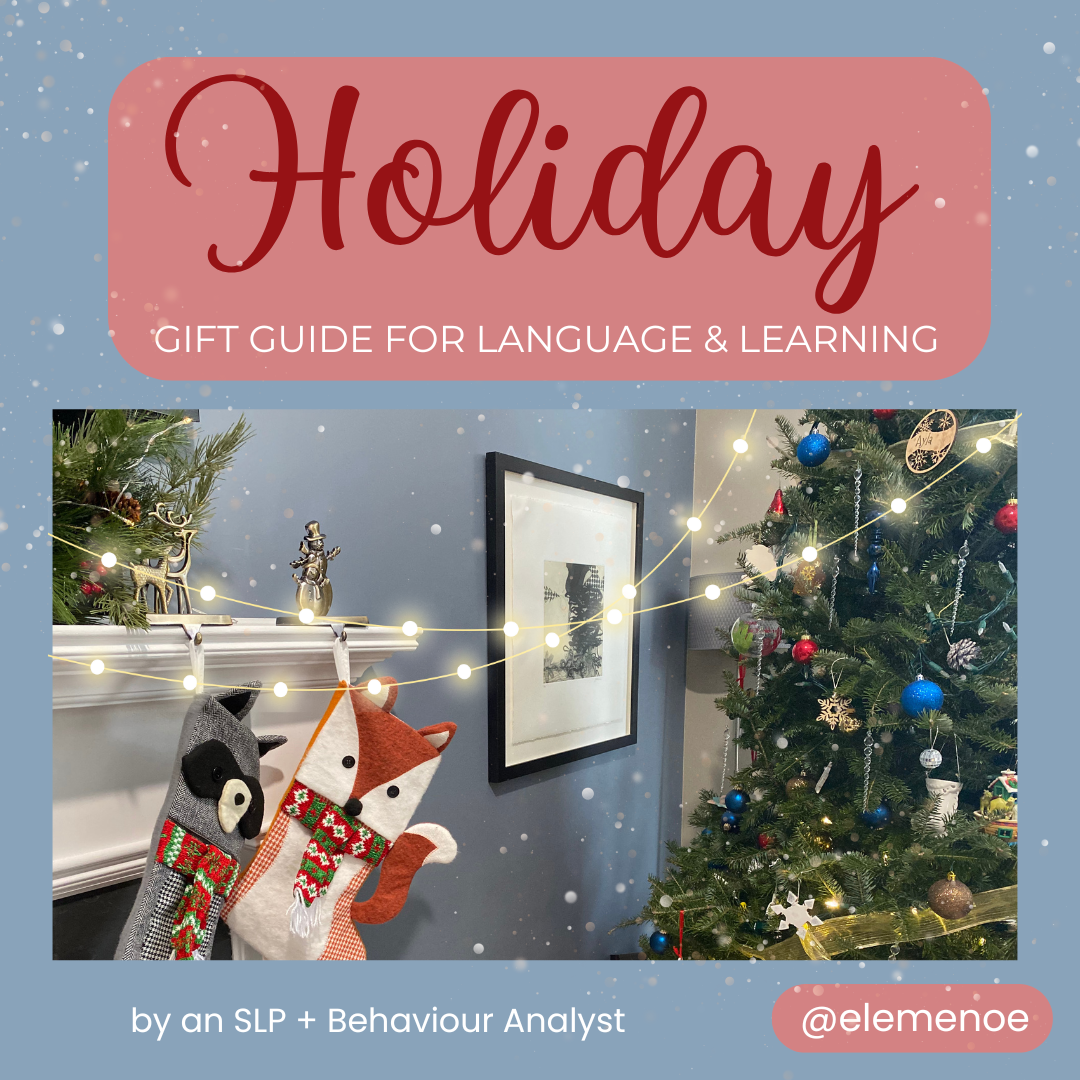
Elemenoe’s 2025 Holiday Gift Guide
Truly, one of the biggest secrets we share with families is this: your child’s favourite “toy” is YOU. Play peek-a-boo with your toddler, hide-and-seek with your preschooler, dance parties with your big kids, or silly story-sharing with your older ones. These moments matter more than anything wrapped under a tree.
But if you are hoping to shop this season, we’ve put together a practical guide that highlights toys and games that naturally support skills like communication, turn-taking, emotional regulation, cooperation, and being a good sport (yes, even learning how to lose!).

Gestalt Language Processing: Why Collaboration Matters More Than Labels
If you’re a parent of an autistic child, you’ve probably heard a lot of talk lately about Gestalt Language Processing, or GLP for short. Maybe one professional told you your child is a “Gestalt Language Processor” or a “GLPer,” while another said there’s not enough research to support that idea. Suddenly, it feels like you’re stuck in the middle, trying to make sense of the science while your child just needs support to communicate.

You’re Not Alone: Navigating What Comes Next After an Autism Diagnosis
Autism is a neurodevelopmental difference — a natural variation in how people experience, think, and communicate. Your child is the same incredible person they were before the diagnosis. The purpose of this guide is to help you navigate Ontario’s supports, funding, and services while centering your child’s individuality, strengths, and well-being.
This guide is neuro-affirming, practical, and written for parents who want to understand what comes next without feeling overwhelmed.